Is Luggage Storage Safe? 9 Essential Tips for Travelers
Need luggage storage near you?
50+ verified spots from $1.95/day · 24/7 CCTV & $1,500 insurance
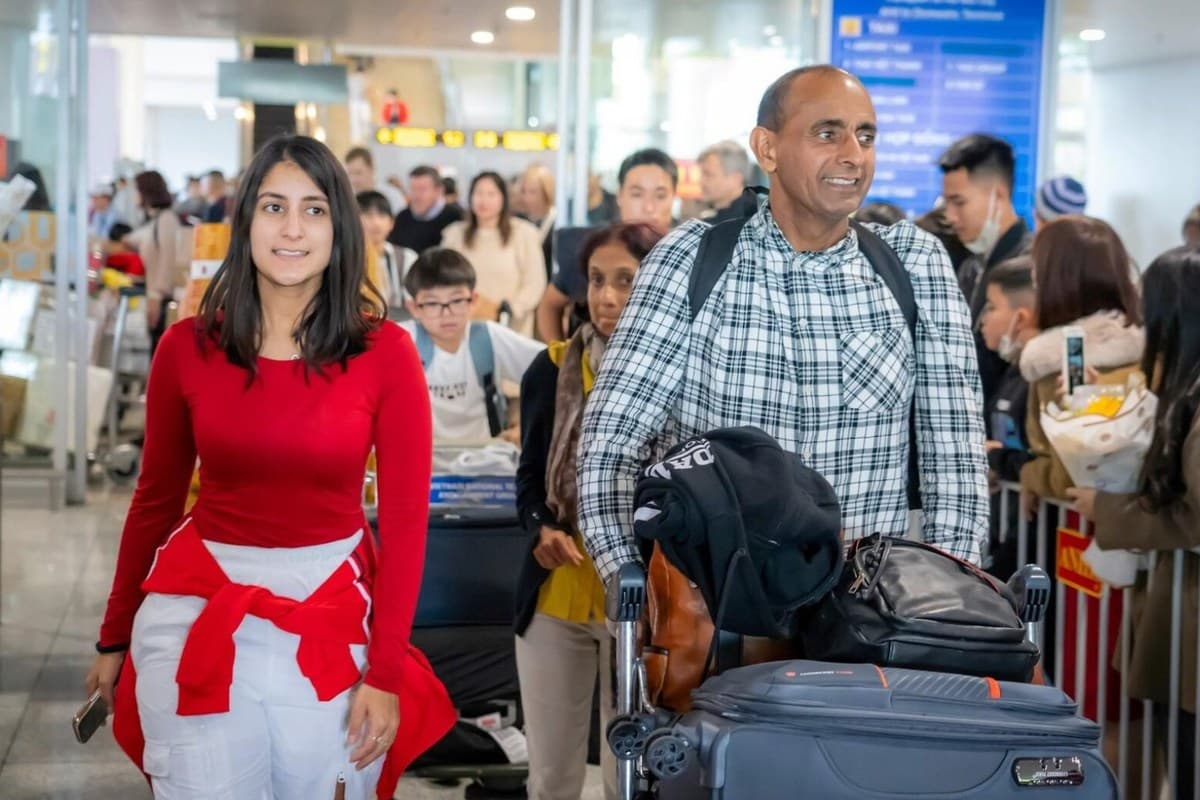
Traveling around Vietnam can involve early hotel arrivals, late-night flights, long train journeys, and several hours between checking out and departing. During these gaps, luggage storage can help you explore without carrying heavy suitcases everywhere.
But one question often comes before booking: Is luggage storage safe?
The answer depends on the storage provider, the individual location, its security procedures, and the items you leave behind. Some services use designated storage areas, staff supervision, luggage identification systems, or CCTV. Other locations may offer different arrangements, so it is important to check the details rather than assume every service provides the same level of protection.
Whether you are visiting Hanoi, Ho Chi Minh City, Da Nang, Hoi An, Ninh Binh, or Sapa, a few precautions can help you choose a suitable luggage storage option.
In this guide, you will learn nine practical ways to store your luggage more safely, what to check before booking, and how to protect your belongings while enjoying Vietnam.
1. Choose a Reliable Luggage Storage Provider
The first step toward safer luggage storage is choosing a provider that clearly explains its service.
Before booking, check the company's website, contact information, booking process, storage location, and customer reviews. Look for clear instructions explaining where to leave your bags, how they will be handled, and how you can collect them later.
Avoid relying on a promotional claim alone. A professional-looking website does not automatically guarantee that a particular storage location meets your expectations.
When comparing services, consider:
Whether the location and address are clearly provided.
Whether you receive a booking confirmation.
Whether the drop-off and pickup procedures are explained.
Whether the provider describes its security measures.
Whether pricing, cancellation rules, and applicable protection terms are available.
Whether recent customer feedback appears consistent and credible.
For travelers in Vietnam, Luggage Storage IO offers online booking for available luggage storage locations. Review the details of your selected location before making a reservation so you know what arrangements apply.
2. Check How Your Luggage Will Be Stored
Not every luggage storage location operates in the same way.
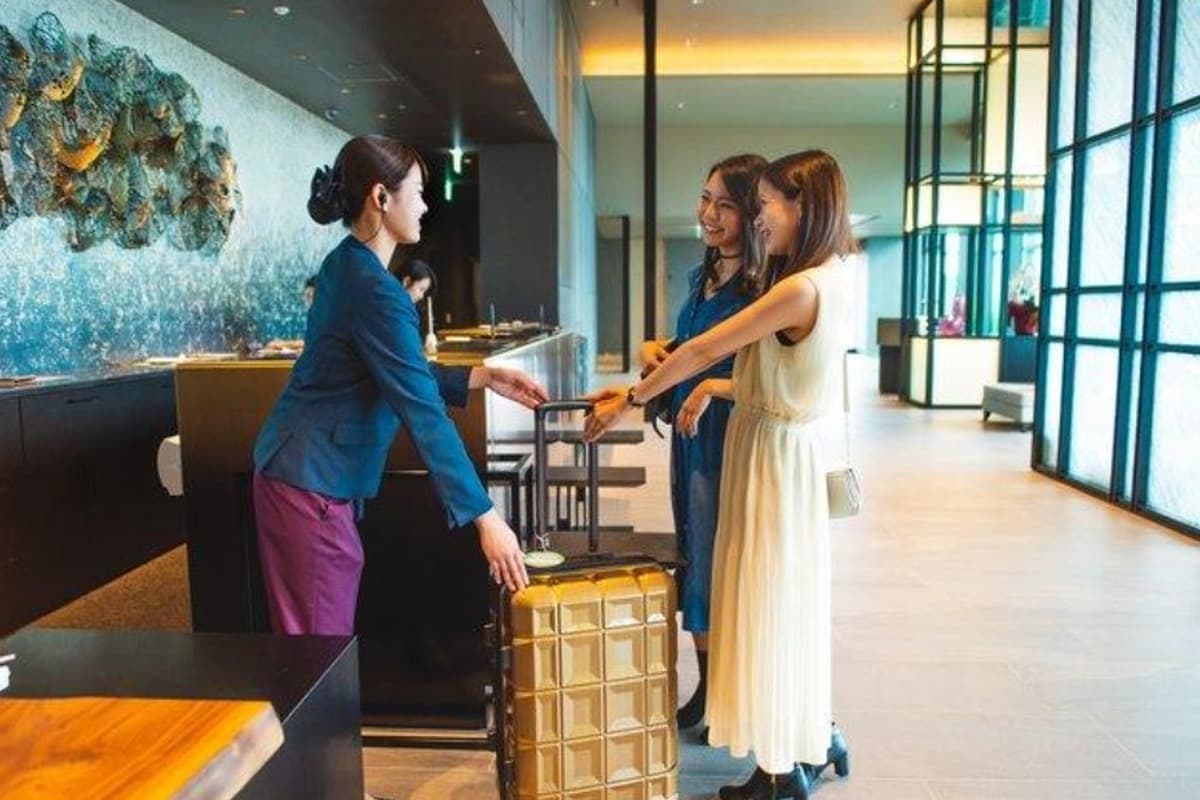
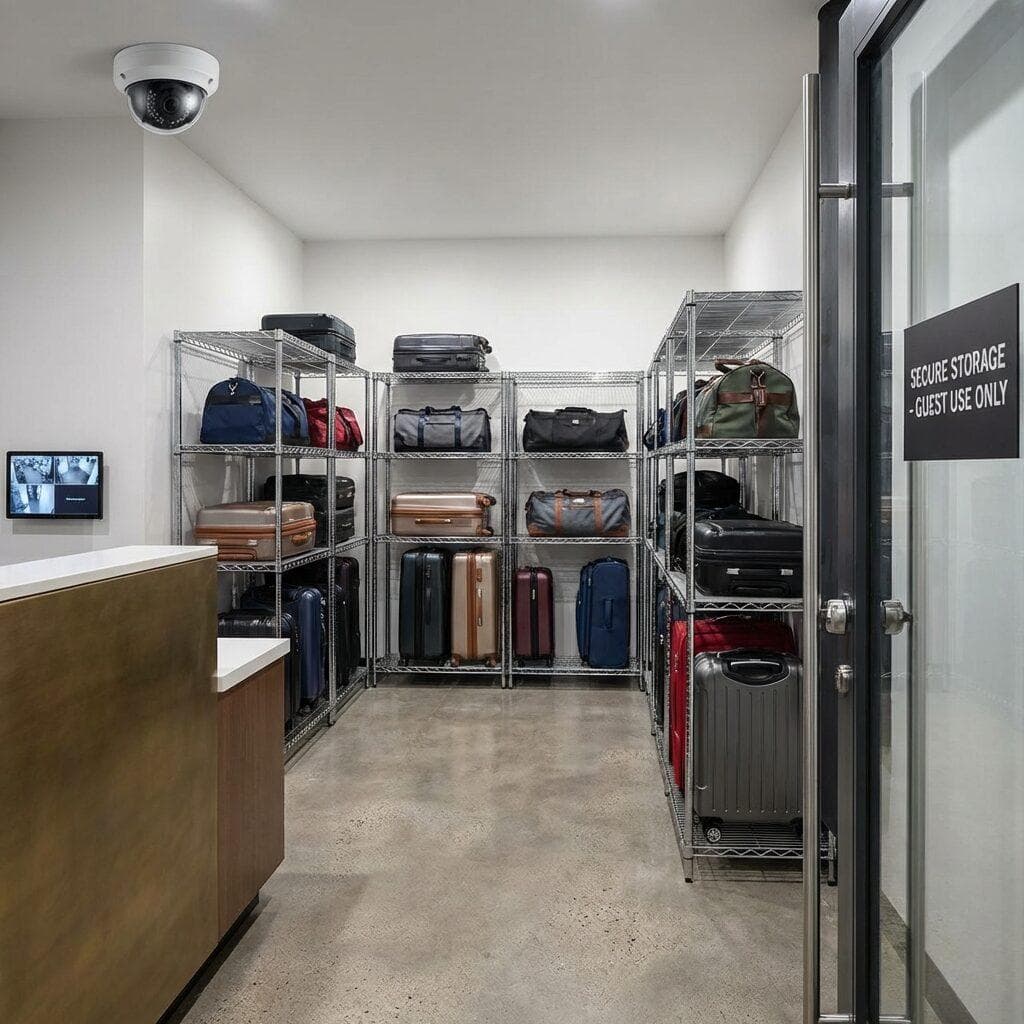
Some use dedicated storage rooms or lockers. Others operate through participating hotels or local businesses with space available for travelers' bags. Security arrangements may vary between locations.
Before leaving your luggage, find out how the bags are kept and who can access the storage area.
Useful questions include:
Is luggage kept in a designated area?
Is access to the storage area restricted?
Are bags identified with tags, booking references, or another system?
Is CCTV available in the storage area?
Will staff explain the collection procedure?

CCTV can be a useful security measure, but it should not be treated as a guarantee against theft or damage. Similarly, a locked room is only one part of a broader security process.
Choose a location whose arrangements are clearly explained and appropriate for your needs.
3. Keep Passports, Cash, and Valuables With You
One of the most important luggage storage safety rules is to keep essential valuables out of your stored suitcase.
Even when you choose a reputable service, you should avoid placing irreplaceable or highly valuable items in luggage that you will not have access to during the day.
Keep these items in a small bag that stays with you:
Passport and other essential travel documents.
Cash, bank cards, and wallet.
Phone, laptop, camera, and other valuable electronics.
Medication and medical essentials.
Jewelry, watches, and other valuable personal items.
Keys and important business documents.
Before handing over your suitcase, check its contents and remove anything you may need during sightseeing.
If you are visiting a crowded attraction, market, or railway station, remain aware of your day bag and keep it close to you. General travel advice for Vietnam also recommends taking precautions against petty theft in crowded tourist areas. <Cite refs={["turn355274search1","turn355274search3"]}/>
4. Book Online and Keep Your Confirmation
Booking online can help you establish where your luggage should be dropped off and what arrangements apply to your reservation.
When you book through a luggage storage service, check the confirmation email for the address, date, storage period, number of bags, and pickup instructions.
For Luggage Storage IO, complete the online booking process and review the confirmation details before traveling to the selected storage point.
When you arrive:
Confirm that you are at the correct address.
Show the booking confirmation as instructed.
Follow the location's luggage handover procedure.
Confirm the number of bags being accepted.
Keep your booking details available until you have collected your luggage.
Avoid assuming that an informal conversation or a payment made outside the stated booking process provides the same terms as a confirmed reservation.
If anything about the address, price, or handover instructions seems inconsistent, contact the provider before leaving your bags.
5. Understand Insurance and Luggage Protection
Insurance or baggage protection can offer additional peace of mind, but it is important to understand exactly what it covers.
Some luggage storage providers advertise a coverage limit for eligible loss, theft, or damage. However, the limit alone does not tell you whether a particular incident or item qualifies.
Before relying on any protection, check:
The maximum coverage amount.
Whether the limit applies per bag or per booking.
Which incidents are covered.
Whether electronics, cash, passports, or jewelry are excluded.
What evidence is required to submit a claim.
Any deadlines or conditions for reporting a problem.
Whether the protection applies to your specific reservation and location.
Luggage Storage IO advertises protection of up to US$1,500, but travelers should review the applicable terms and exclusions rather than assuming that every item or incident is covered up to that amount.
Do not assume your regular travel insurance covers bags left with a third-party storage service. Check your policy or contact your insurer if you intend to rely on it.
6. Photograph Your Bags Before Drop-off
Taking a few photos before storing your luggage is a simple precaution that can help if you later need to identify your belongings or report damage.

Photograph each bag from several angles, especially if it has distinctive colors, stickers, scratches, or other identifying features.
You can also take a photo of the luggage tag or other identification provided during handover, provided it does not expose sensitive personal information.
Before leaving the location, confirm the recorded number of bags and retain any receipt or collection reference you receive.
When you return, inspect your bags before departing. If you notice missing items or damage, report the issue to the provider promptly and keep relevant photographs, booking details, and receipts.
These steps do not prevent every problem, but they can make it easier to explain what happened if an issue arises.
7. Check the Storage Location's Opening Hours
A storage location may have suitable security arrangements but still be inconvenient if it closes before you return.
This is especially important if you have a late-night flight, an evening train, or a long sightseeing itinerary.
Before booking, confirm the opening hours and the latest permitted pickup time. Do not assume that a location is open 24 hours simply because you can make an online reservation at any time.
Plan your day around the agreed collection window. If your schedule changes, contact the provider as soon as possible to ask whether an extension is available.
For example, if you are exploring Hanoi before an evening flight, choose a storage location that allows you to collect your bags with enough time to travel to Noi Bai International Airport.
A convenient location, clear collection instructions, and a realistic schedule are all important parts of a safe and stress-free storage experience.
8. Check What Items Are Allowed
Luggage storage services may restrict certain items for safety, legal, or operational reasons.
Before packing your suitcase, review the provider's prohibited-items policy. Dangerous goods, flammable materials, weapons, illegal substances, and perishable items may be prohibited. Restrictions on electronics, documents, oversized luggage, or other belongings can also vary by provider.
Never assume that a storage service will accept every item simply because it fits inside a suitcase.
If you need to store unusual equipment, sports gear, or oversized bags, ask the provider in advance.
It is also wise to keep essential medication and important documents with you rather than placing them in stored luggage.
Following the storage rules helps protect your belongings and reduces the risk of problems during drop-off.
9. Collect Your Bags Carefully
The final step in safe luggage storage is collecting your belongings correctly.
Return to the designated location within the agreed pickup window and follow the provider's verification procedure. You may need to show your booking confirmation, collection reference, or other requested information.
Before leaving:
Confirm that you have received every bag.
Check that your luggage tags or identifiers match your reservation.
Inspect the exterior for obvious damage.
Check essential belongings if you have reason to suspect a problem.
Report any missing items or damage immediately.
Keep your booking confirmation until you are satisfied that the collection is complete.
If another person will collect your luggage for you, ask the provider in advance what authorization or identification is required.
Taking a moment to verify your belongings at pickup is better than discovering a problem after you have traveled to another part of the city.
Is Luggage Storage Safe in Vietnam?
Luggage storage can be a practical option for travelers in Vietnam, but the safest choice depends on the particular location and its procedures.
In Hanoi, Ho Chi Minh City, Da Nang, Hoi An, and other destinations, travelers may be able to leave bags with their hotel or use another luggage storage service. Availability, access arrangements, operating hours, and security measures differ by property and provider.
Here are some situations where luggage storage can be useful:
Before hotel check-in: Leave your larger bags at a suitable location so you can explore while waiting for your room.
After hotel check-out: Store your luggage while enjoying a final meal, visiting a local attraction, or shopping before departure.
Between train or bus connections: Choose a location that fits your route and gives you enough time to collect your bags.
During a sightseeing day: Carry only the essentials instead of taking large suitcases through busy streets and tourist attractions.
If your hotel offers luggage storage, ask how the bags are kept and when you must collect them. If you use a third-party service, check its location-specific arrangements, booking conditions, and applicable protection terms.
For additional travel planning, read these related guides:
Check that each URL is live before publishing.
Conclusion
So, is luggage storage safe? It can be a suitable option when you choose a reliable provider, understand how your bags are stored, and take sensible precautions.
Check the location's security arrangements, book through the stated process, keep valuables with you, understand any insurance limitations, and confirm your pickup time. These steps can help reduce avoidable risks while you explore Vietnam.
If you need a convenient place to leave your bags before check-in, after check-out, or between travel connections, visit Luggage Storage IO to explore available luggage storage locations in Vietnam.
Review the details of your selected location, follow the booking instructions, and enjoy your trip with fewer bags to carry.
Frequently Asked Questions
1. Is luggage storage safe for tourists?
Luggage storage can be a suitable option when the provider has clear procedures and appropriate security measures. Check the individual location, keep valuables with you, and understand the terms before booking.
2. Is it safe to leave luggage at a hotel in Vietnam?
Many hotels offer luggage holding for guests, but storage arrangements vary. Ask where your bags will be kept, who can access the area, and when you need to collect them.
3. Should I lock my suitcase before storing it?
A luggage lock may provide an additional deterrent, depending on the bag and storage arrangement. Follow the provider's instructions and do not rely on a lock as a substitute for choosing a suitable storage location.
4. Can I leave my passport in stored luggage?
It is better to keep your passport and other essential travel documents with you. Store only the belongings you can reasonably leave behind.
5. Does luggage storage include insurance?
Not every provider or booking includes the same protection. Check the applicable coverage, exclusions, limits, and claim requirements before relying on insurance or a baggage protection policy.
6. Is luggage storage safe at railway stations and airports?
Security arrangements vary between facilities and locations. Confirm that an official or clearly identified storage service is available, and check its procedures before leaving your bags.
7. What should I do if my luggage is damaged or missing?
Contact the storage provider immediately, retain your booking confirmation and any handover records, and take photographs of the problem. Follow the provider's reporting and claims procedure.
8. How can I find safe luggage storage in Vietnam?
Compare available providers, check the exact address and opening hours, review security information, and understand the booking conditions. You can explore available locations through Luggage Storage IO.
Need luggage storage near you?
50+ verified spots from $1.95/day · 24/7 CCTV & $1,500 insurance