Backpacking Vietnam Without Heavy Bags: 10 Smart Tips for Travelers
Need luggage storage near you?
50+ verified spots from $1.95/day · 24/7 CCTV & $1,500 insurance
Vietnam is a fantastic destination for backpackers. You can explore Hanoi's lively Old Quarter, cruise through the landscapes of Ninh Binh, discover the beaches of Da Nang, wander through Hoi An's ancient streets, and travel between cities by train or bus.
However, moving around frequently can become tiring when you carry a heavy backpack, a large suitcase, or several bags. Getting to a hostel, changing transportation, walking through crowded streets, and sightseeing between check-in and check-out can all be more difficult with too much luggage.
The good news is that backpacking Vietnam without heavy bags does not mean leaving behind everything you need. It means packing strategically, organizing your belongings, and carrying only what is useful for each part of your journey.
In this guide, you will discover 10 practical tips to travel around Vietnam more comfortably, reduce unnecessary baggage, and make the most of your backpacking adventure.
1. Pack for Your Itinerary, Not Every Possibility
One of the most common backpacking mistakes is packing for situations that may never happen.
Before your trip, list the places you plan to visit and the activities you want to enjoy. A few days in Hanoi may require different clothing from a trek in Sapa or a beach holiday in Phu Quoc.
Start with versatile essentials:
Lightweight shirts and comfortable trousers or shorts
Underwear and socks for several days
Comfortable walking shoes
Sandals or lightweight footwear
A compact rain jacket or umbrella
Toiletries in travel-sized containers
Phone, charger, and power bank
Necessary medication and travel documents
Choose clothing that works in multiple combinations. Neutral colors and quick-drying materials can make it easier to reuse items during a longer trip.
Check the weather for your destinations before packing. Northern Vietnam can be cool during some months, while other regions may be hot, humid, or rainy. Bring suitable layers instead of several bulky outfits.
Backpacking tip: Lay everything out before packing. Remove duplicate items and anything you can easily buy or rent at your destination if needed.
2. Choose a Backpack That Fits Your Travel Style
A large backpack is not automatically better for backpacking.
The right size depends on your trip length, the climate, your planned activities, and whether you will carry camping equipment or specialist gear.
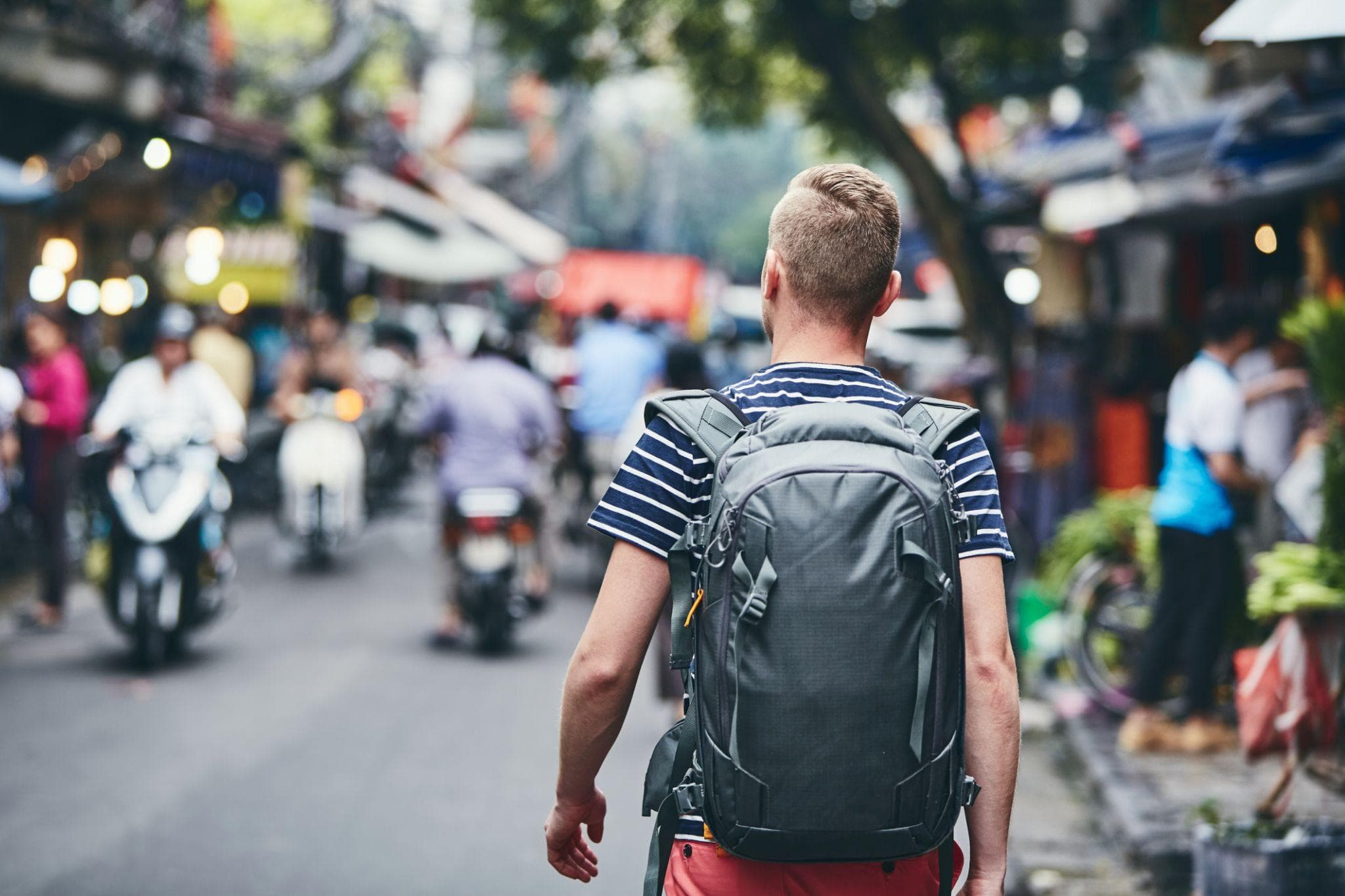
For a city-focused trip with regular hostel stays, a moderate-sized backpack may be enough. If you plan to trek in mountainous areas, you may need additional clothing or equipment.
When choosing a backpack, consider:
Comfortable shoulder straps and back support
A waist belt for distributing weight
Multiple compartments for organization
Easy access to frequently used items
A manageable size for your transportation plans
You may also want a small daypack for sightseeing. Keep essentials such as water, sunscreen, your phone, and a wallet in it while leaving unnecessary belongings at your accommodation.

If you bring both a backpack and a suitcase, think about whether you genuinely need both. Carrying fewer bags can simplify transfers between trains, buses, hostels, and hotels.
3. Use Laundry Services Instead of Packing More Clothes
You do not need to carry enough clothing for every day of a two-week or month-long backpacking trip.
Laundry services are available in many Vietnamese tourist destinations, including Hanoi, Da Nang, Hoi An, and other popular stops. Availability, prices, and turnaround times vary by provider.
Packing for approximately five to seven days and doing laundry along the way can significantly reduce the amount you carry.
A few useful habits include:
Choose quick-drying clothing when possible.
Separate dirty clothes using a lightweight laundry bag.
Check laundry prices and completion times in advance.
Keep one clean outfit available for travel days.
Avoid sending essential clothing away just before an early departure.
For longer journeys, washing clothes regularly is often more convenient than carrying extra outfits that occupy valuable space.
4. Plan for Different Types of Transportation
Backpacking in Vietnam often involves a combination of trains, buses, domestic flights, taxis, and walking.
Each transportation option presents different luggage considerations. Airlines have specific baggage limits, while bus and train arrangements may vary depending on the operator and route.
Before departure, check the baggage allowance and any restrictions for your transport provider. If you are traveling with a large backpack, keep valuables and essential documents accessible.
A lighter load can make it easier to:
Walk between accommodation and transport stops
Board and leave buses or trains
Navigate crowded railway stations
Get into taxis or other vehicles
Move through busy markets and narrow streets
Change accommodation without wasting time
Allow extra time when changing transport, especially if you need to collect luggage from one location before continuing your journey.
If you have several hours between checkout and departure, consider whether you really need to carry your entire backpack while sightseeing.
5. Store Extra Luggage When You Do Not Need It
Backpackers sometimes carry more than they need for a particular part of their journey.
For example, you might have a large suitcase containing clothes and personal belongings, but only need a small daypack for a day of sightseeing. You may also have shopping bags or additional equipment that would be inconvenient to carry around.
In these situations, luggage storage can be a practical option.
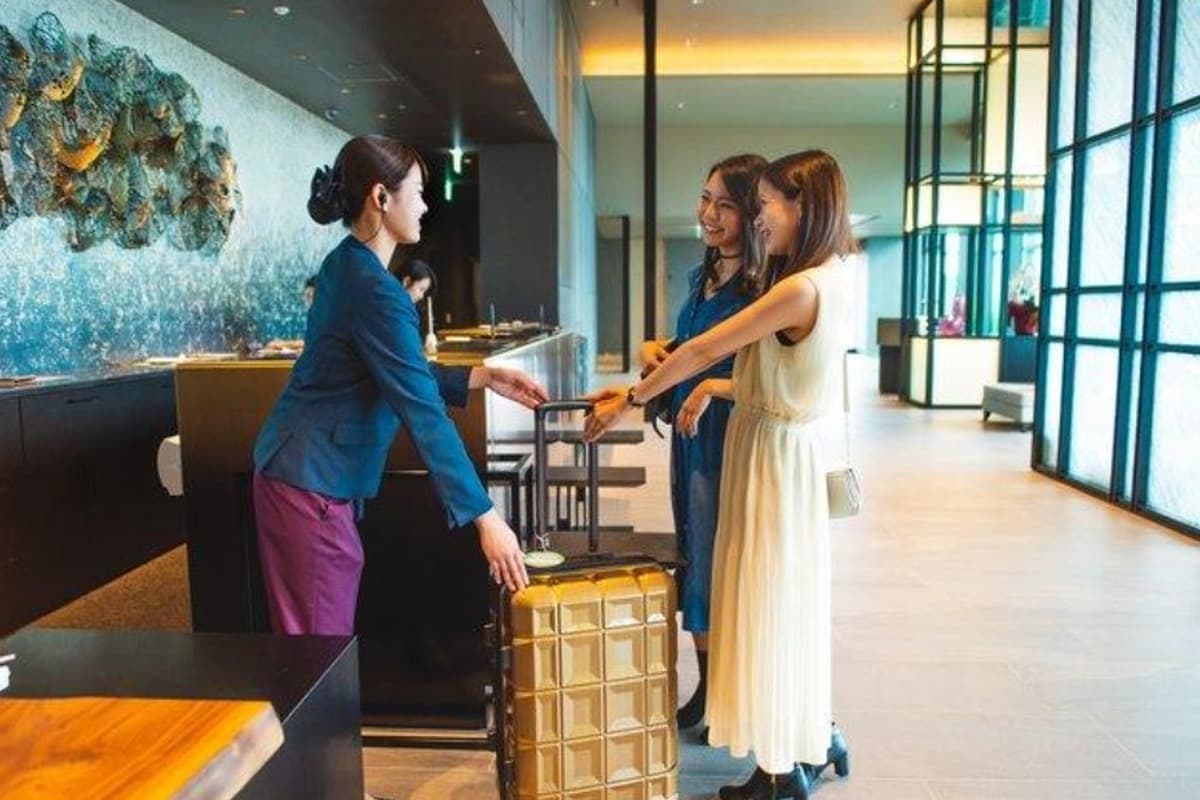
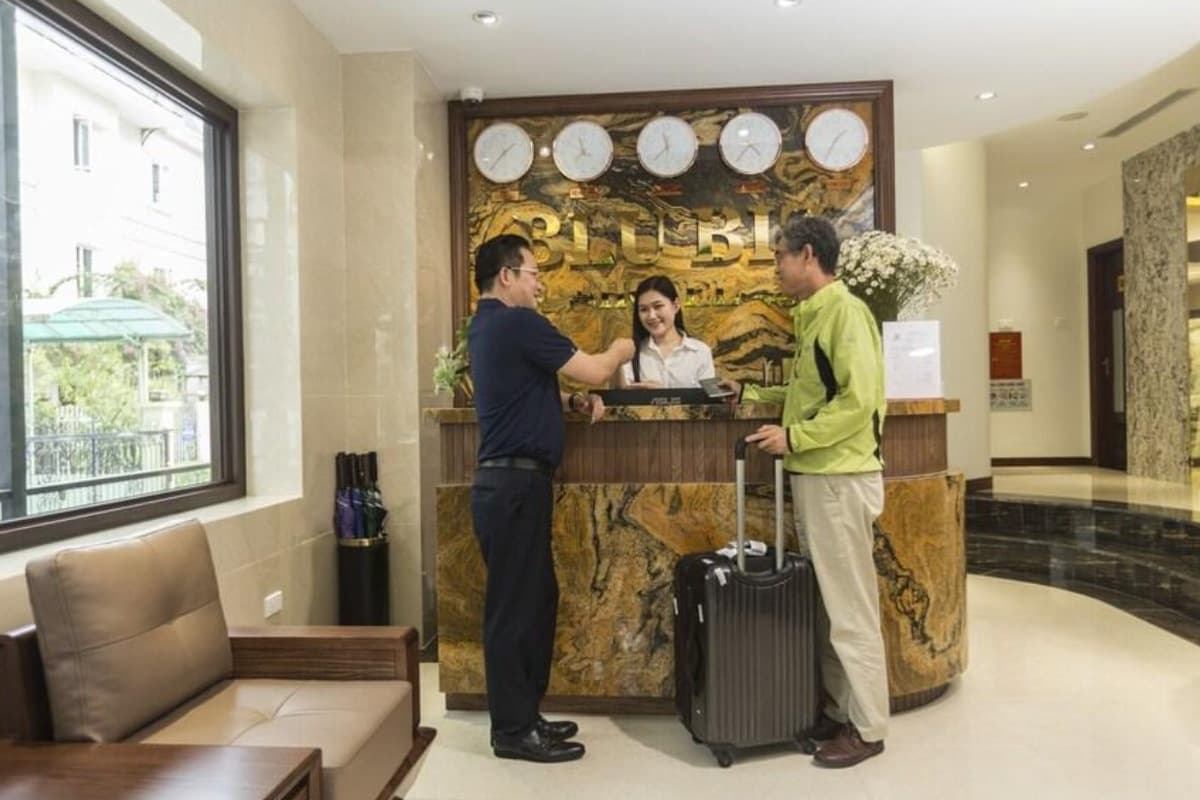
Depending on your accommodation's policy, you may be able to leave your bags at a hostel or hotel. If that is not available or convenient, you can look for a suitable luggage storage service nearby.
Luggage Storage IO helps travelers find luggage storage options in destinations across Vietnam through online booking.
Visit Luggage Storage IO to check available locations and booking details. Book online and carefully review your confirmation for the storage address, drop-off instructions, and collection arrangements.
Before making a reservation, check:
The exact location and how to reach it
Opening hours and collection deadlines
Accepted luggage sizes and item restrictions
Pricing and booking conditions
Applicable security and protection terms
Availability and facilities can vary by location, so confirm the details before relying on a particular storage point.
Leaving unnecessary bags in a suitable location can give you more freedom to explore without carrying everything you own.
6. Explore Hanoi Without Heavy Backpacks
Hanoi is a popular starting point for backpacking trips around Vietnam. Travelers often spend time around Hoan Kiem Lake, explore the Old Quarter, visit cultural attractions, and sample Vietnamese coffee and street food.
However, carrying a large backpack through busy streets can become tiring, particularly if you arrive before your accommodation is ready or have checked out but are not leaving until later.
Plan your arrival and departure times before heading out for sightseeing.
If your hostel or hotel can keep your luggage, ask about the conditions and collection time. Otherwise, check whether a suitable luggage storage service is available near your planned activities.
With your main bag taken care of, you can walk around the lake, explore local streets, and enjoy cafés with just a small daypack.

Read our guide to where to leave bags before check-in for more ideas.
7. Travel Between Da Nang and Hoi An More Comfortably
Da Nang and Hoi An are popular stops for backpackers looking for a combination of city life, beaches, food, and culture.
In Da Nang, you might visit My Khe Beach, explore the city center, or take a trip to nearby attractions. In Hoi An, you can walk through the Ancient Town, browse local shops, enjoy riverside cafés, and take photographs of historic buildings.
Carrying a large backpack during these activities can make the experience less comfortable.
If you are changing accommodation or have several hours between checkout and your next departure, check whether your accommodation can store your luggage. You can also look for a suitable storage service close to your planned route.
Make sure you know when you need to collect your belongings and allow enough time to reach your next transport connection.
Traveling with only the essentials can make it easier to explore these destinations at your own pace.
8. Separate Your Daily Essentials From Your Main Bag
Even if you reduce the amount you pack, good organization is important.
Keep items you use every day in a small, accessible bag. This helps you avoid opening your entire backpack whenever you need something.
Your daypack might contain:
A reusable water bottle
Phone and power bank
Wallet and payment cards
Sunscreen and insect repellent
A compact rain jacket
Necessary medication
Booking details and emergency contacts
Keep your passport and other important documents secure and accessible when required. Avoid leaving valuables in luggage that you store elsewhere.
Packing cubes or small pouches can help separate clothing, toiletries, electronics, and other belongings. They also make it easier to find items when moving between hostels.
Before leaving any accommodation or storage location, check that you have all the belongings you need for the next part of your journey.
9. Avoid Collecting Too Many Souvenirs Along the Way
Shopping is part of the fun of backpacking in Vietnam. You may want to buy local coffee, handmade crafts, clothing, snacks, or gifts for friends and family.
However, every purchase adds weight and takes up space.
To keep your luggage manageable, consider buying souvenirs toward the end of your trip rather than carrying them across the country.
If you find something you want to buy earlier, think about its size, fragility, and whether you can pack it safely. For bulky purchases, check whether the seller offers delivery options.
You can also set aside a small amount of space in your backpack for souvenirs rather than filling every available compartment before you leave home.
If you need to carry shopping bags while sightseeing, check whether your accommodation or a suitable storage provider can accept them. Do not assume every provider accepts oversized, fragile, or unusual items.
10. Organize Check-in, Check-out, and Travel Days
One of the biggest challenges for backpackers is the gap between accommodation and transportation schedules.
You might arrive in a city early in the morning, but your hostel check-in is not until the afternoon. Alternatively, you may need to check out at midday but have an evening bus, train, or flight.
Without a plan, you could end up carrying your backpack around for hours or spending valuable sightseeing time waiting for departure.
Use this simple checklist:
Confirm your accommodation's check-in and check-out times.
Ask whether luggage storage is available before check-in or after checkout.
If needed, find an alternative storage location near your planned activities.

Confirm the address, operating hours, and collection deadline.
Keep your valuables and essential travel items with you.
Allow enough time to retrieve your luggage and reach your departure point.
Hotel and hostel policies vary, so confirm arrangements directly rather than assuming luggage storage is included.
For additional advice, read what to do after hotel check-out and how luggage storage works.
Is Luggage Storage Useful for Backpackers in Vietnam?
Yes, luggage storage can be useful when you need to leave some belongings behind while exploring a destination. It is particularly relevant when your accommodation schedule does not match your sightseeing or transportation plans.
However, not every storage location is suitable for every backpack or item. Check the provider's rules, available space, opening hours, and collection arrangements before booking.
For a safer and smoother experience:
Choose a clearly identified provider.
Read the booking conditions carefully.
Keep passports, cash, electronics, and valuables with you.
Save your booking confirmation and storage address.
Follow the rules for prohibited items.
Review any applicable insurance or protection terms.
Luggage Storage IO advertises protection of up to US$1,500, subject to applicable terms, conditions, and exclusions. Check the terms relevant to your booking rather than assuming all items or incidents are automatically covered.
You can also read our guide: Is Luggage Storage Safe?.
Frequently Asked Questions
How can I backpack around Vietnam without heavy bags?
Pack versatile clothing, use laundry services, choose a suitable backpack, and avoid carrying items you do not need every day. When appropriate, leave extra luggage at your accommodation or a suitable storage location.
What size backpack is best for Vietnam?
The best size depends on your trip length, climate, activities, and personal packing style. A smaller backpack may work for city travel and hostel stays, while trekking or camping may require additional equipment. Choose a bag you can carry comfortably.
Can I store my backpack in Vietnam?
Storage options depend on the location and provider. Some hotels and hostels may keep guests' bags, while dedicated luggage storage services may offer alternatives. Check accepted bag sizes, prices, operating hours, and booking requirements before leaving your belongings.
Where can I leave my luggage before hostel check-in?
Ask your hostel whether early luggage drop-off is available. If it is not, look for a suitable luggage storage location near your planned activities. Confirm the exact address and collection time in advance.
Is it better to travel around Vietnam with a backpack or suitcase?
Both can work. A backpack may be convenient if you change accommodation frequently or use multiple types of transport. A suitcase can be practical for city-based travel and hotel stays. Choose based on your route, mobility, and luggage weight.
How do backpackers wash clothes in Vietnam?
Many tourist destinations have laundry services, and some accommodations offer laundry facilities or paid services. Check the price and turnaround time before handing over your clothes, especially when you have an early departure.
Can I explore Vietnam without carrying my main backpack?
Yes. If your accommodation or a suitable luggage storage service can keep your bag, you can explore with only a small daypack. Confirm storage availability and collection arrangements before leaving your belongings.
Do I need to book luggage storage online?
Requirements vary by provider. For Luggage Storage IO, book online to secure your reservation and receive the relevant location and instructions. Read your confirmation carefully before visiting the storage point.
Final Thoughts: Backpack Vietnam With More Freedom
Backpacking Vietnam is more enjoyable when your luggage supports your journey instead of slowing you down.
By packing only what you need, choosing a comfortable backpack, doing laundry along the way, and planning your transport connections, you can move between destinations more easily.
You also do not need to carry every bag during every sightseeing activity. When you arrive early, check out before your departure, or want to explore a city more comfortably, luggage storage may be a practical option.
Before your next stop, review your packing list, confirm your accommodation arrangements, and check available storage options when necessary.
Ready to explore Vietnam without heavy bags? Visit Luggage Storage IO to check available luggage storage locations and book online for your trip.
Need luggage storage near you?
50+ verified spots from $1.95/day · 24/7 CCTV & $1,500 insurance