15 Family Travel Tips in Vietnam for a Stress-Free Vacation
Need luggage storage near you?
50+ verified spots from $1.95/day · 24/7 CCTV & $1,500 insurance
Traveling to Vietnam with your family can be an unforgettable adventure. From the colorful streets of Hanoi to the beaches of Da Nang and the charming Ancient Town of Hoi An, Vietnam offers a wonderful combination of culture, nature, food, and activities for visitors of different ages.
However, traveling with children requires more planning than traveling alone. Managing suitcases, keeping children comfortable, choosing suitable transportation, and organizing hotel check-in times can sometimes feel overwhelming.
The good news is that a little preparation can make your journey much easier.
Whether you are visiting Vietnam with toddlers, school-age children, or teenagers, these 15 family travel tips in Vietnam will help you plan a smoother, safer, and more enjoyable vacation.
1. Choose Family-Friendly Destinations in Vietnam
Vietnam offers many destinations suitable for family vacations, but choosing the right places depends on your children's ages, interests, and energy levels.
Here are some popular options:
Hanoi – Culture, Food, and City Adventures
Hanoi is a fascinating destination for families interested in Vietnamese history and culture.
You can walk around Hoan Kiem Lake, explore the Old Quarter, visit museums, and enjoy traditional Vietnamese food.
Families with younger children may prefer shorter sightseeing sessions with regular breaks at cafés or parks.
Da Nang – Beaches and Family Activities
Da Nang is an appealing destination for families who enjoy beaches and outdoor activities.
My Khe Beach, riverside attractions, and nearby sightseeing destinations provide opportunities for both relaxation and exploration.
Choose swimming areas carefully and follow local safety guidance, particularly when traveling with young children.
Hoi An – A Charming Historic Town
Hoi An is famous for its yellow buildings, lanterns, riverside scenery, and traditional architecture.
Families can enjoy gentle walks, cultural activities, and local food experiences.
The historic center can become crowded, especially in the evening, so plan around your children's comfort and energy levels.
Ninh Binh – Nature and Scenic Landscapes
Ninh Binh is ideal for families who love natural scenery.
Boat trips through limestone landscapes can be memorable, although parents should check activity suitability, weather conditions, and life-jacket arrangements before booking.
Phu Quoc – A Relaxing Island Vacation
Phu Quoc offers beaches, resorts, and leisure activities that may appeal to families wanting a slower-paced holiday.
When choosing a resort or attraction, check age restrictions, supervision requirements, and available child-friendly facilities.
Family travel tip: Instead of visiting too many destinations, choose a few locations and allow enough time to enjoy each one.
2. Plan a Flexible Family Travel Itinerary
One of the most important family travel tips in Vietnam is to avoid creating an overly packed schedule.
Children may need more rest, snacks, bathroom breaks, and downtime than adults.
Rather than planning five or six attractions every day, consider choosing one major activity in the morning and another optional activity in the afternoon.
For example, a family day in Hanoi might include:
Morning: Explore Hoan Kiem Lake and nearby streets.
Lunch: Enjoy a relaxed meal at a family-friendly restaurant.
Afternoon: Visit a museum or return to the hotel for rest.
Evening: Take a short walk and enjoy dinner.
A flexible itinerary makes it easier to adjust your plans when children become tired or the weather changes.
Remember that a successful family vacation is not measured by how many attractions you visit.
3. Pack Light but Bring the Essentials
Packing for a family vacation can be challenging.
Parents often bring extra clothes, toys, snacks, and accessories in case they are needed. While some preparation is important, too much luggage can make transportation and sightseeing difficult.

Focus on essential items such as:
Lightweight, comfortable clothing
Suitable footwear
Sunscreen and hats
A compact rain jacket
Personal hygiene products
Necessary medications
Reusable water bottles
Snacks for travel days
Travel documents
Chargers and power banks
A few favorite toys or books
For babies and toddlers, consider diapers, wipes, feeding supplies, and other age-specific essentials.
Vietnam has many shops and pharmacies, particularly in major cities, but availability of specific brands and products can vary.
If your child needs a particular medication, formula, or specialized item, bring an appropriate supply and check applicable travel regulations.
Packing tip: Use separate packing cubes for each family member to keep clothing and essentials organized.
4. Use Luggage Storage to Explore More Comfortably
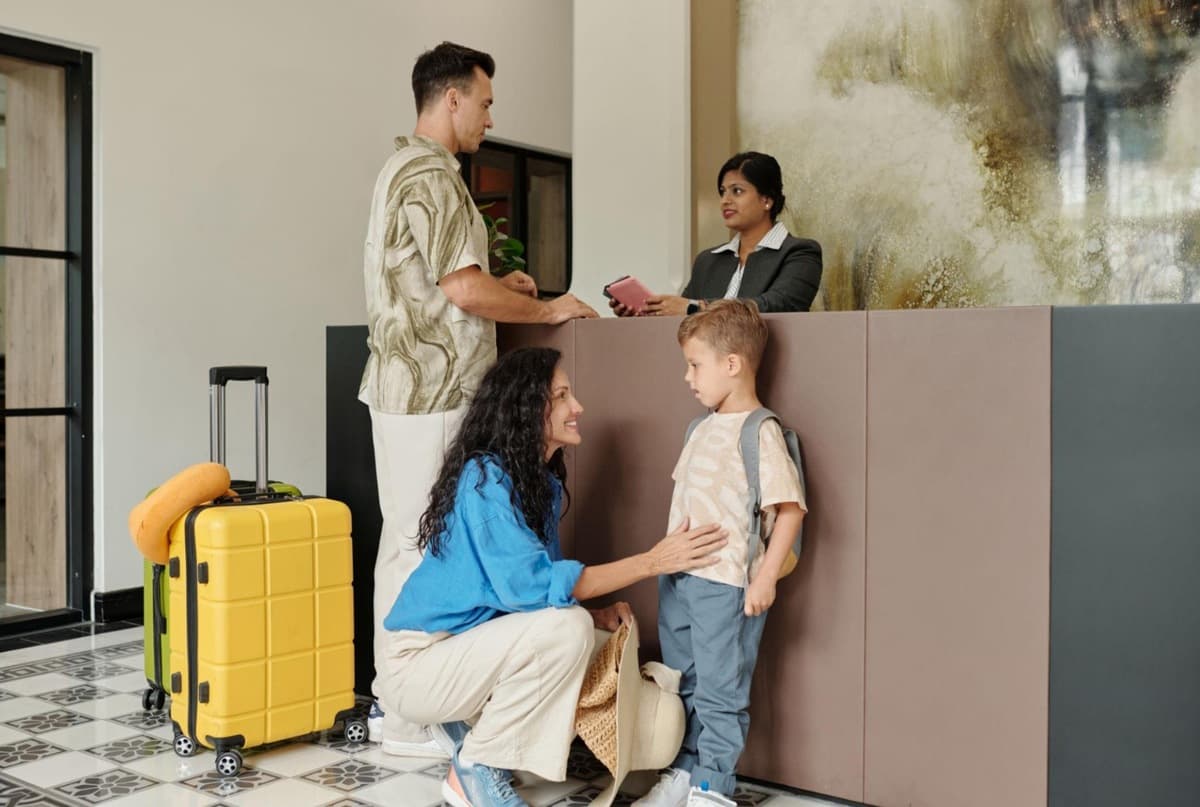
Traveling with children and several suitcases can make sightseeing unnecessarily stressful.
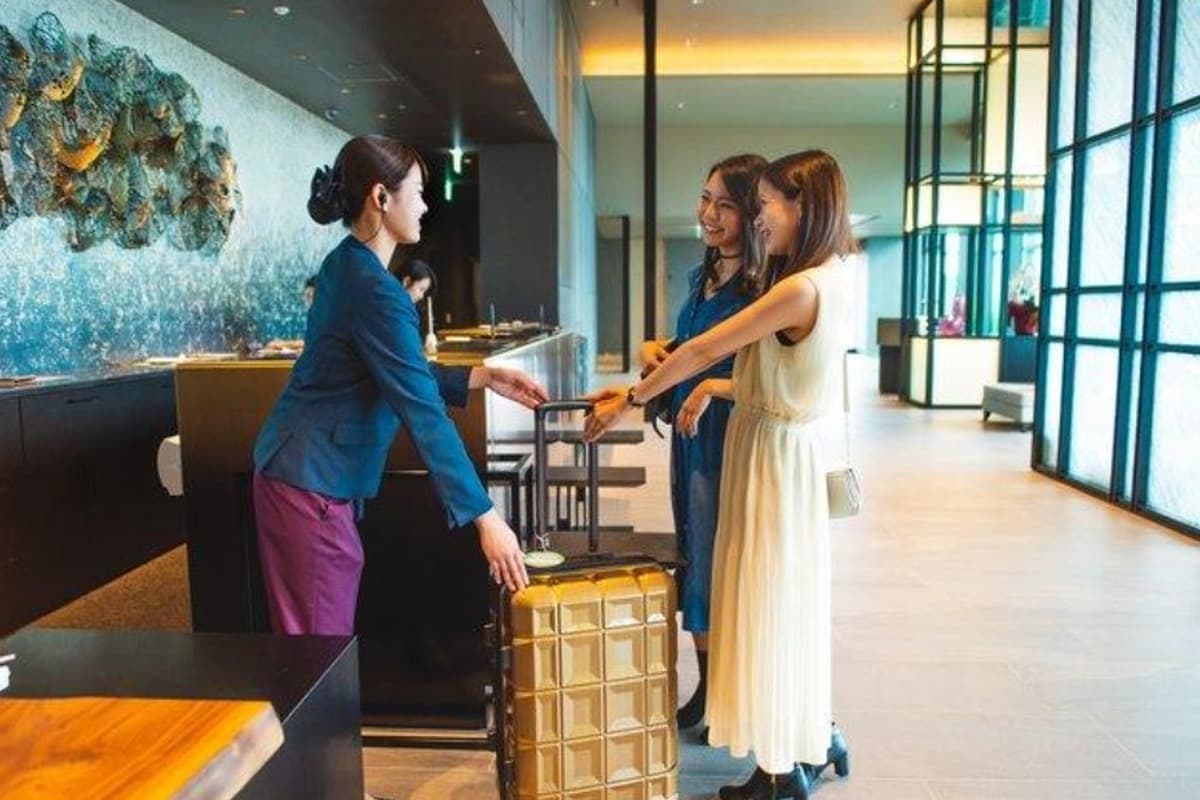
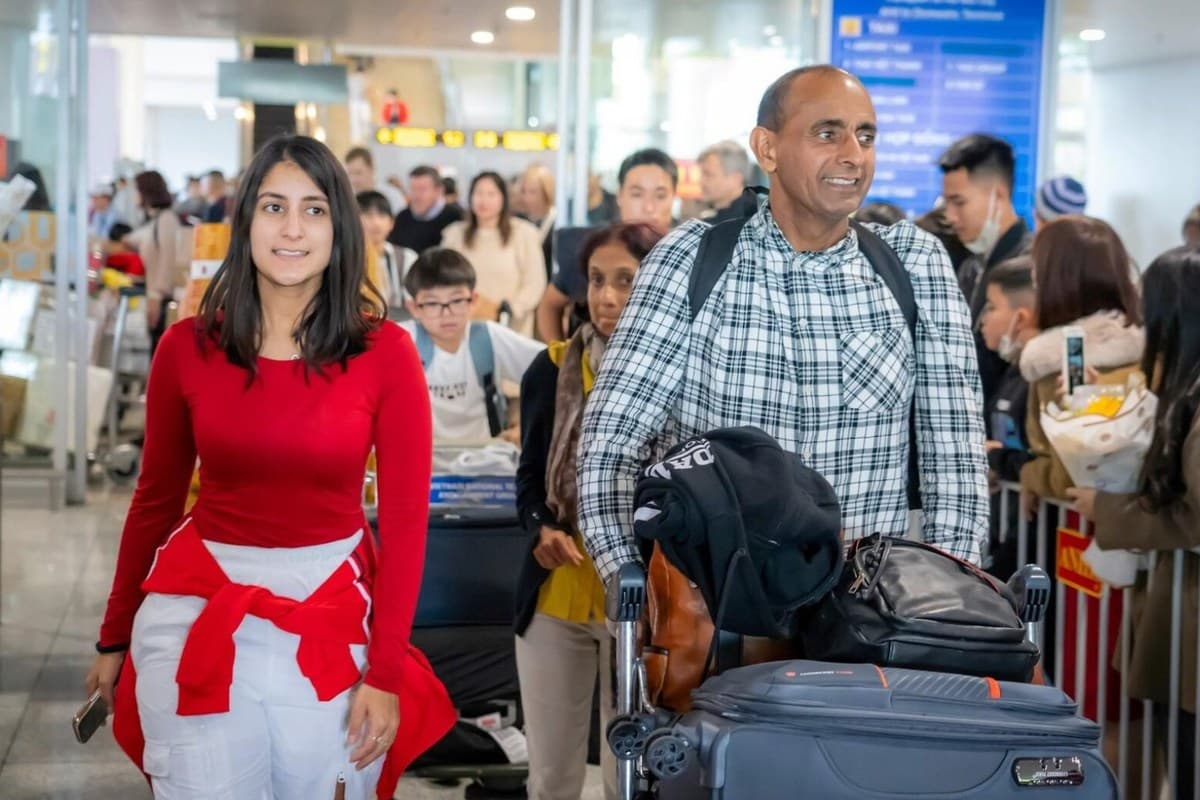
Imagine arriving in Hanoi at 9 AM while your hotel check-in is not until the afternoon. Your family may want to have breakfast, explore nearby attractions, or relax at a café.
However, carrying multiple suitcases and backpacks can make those plans inconvenient.
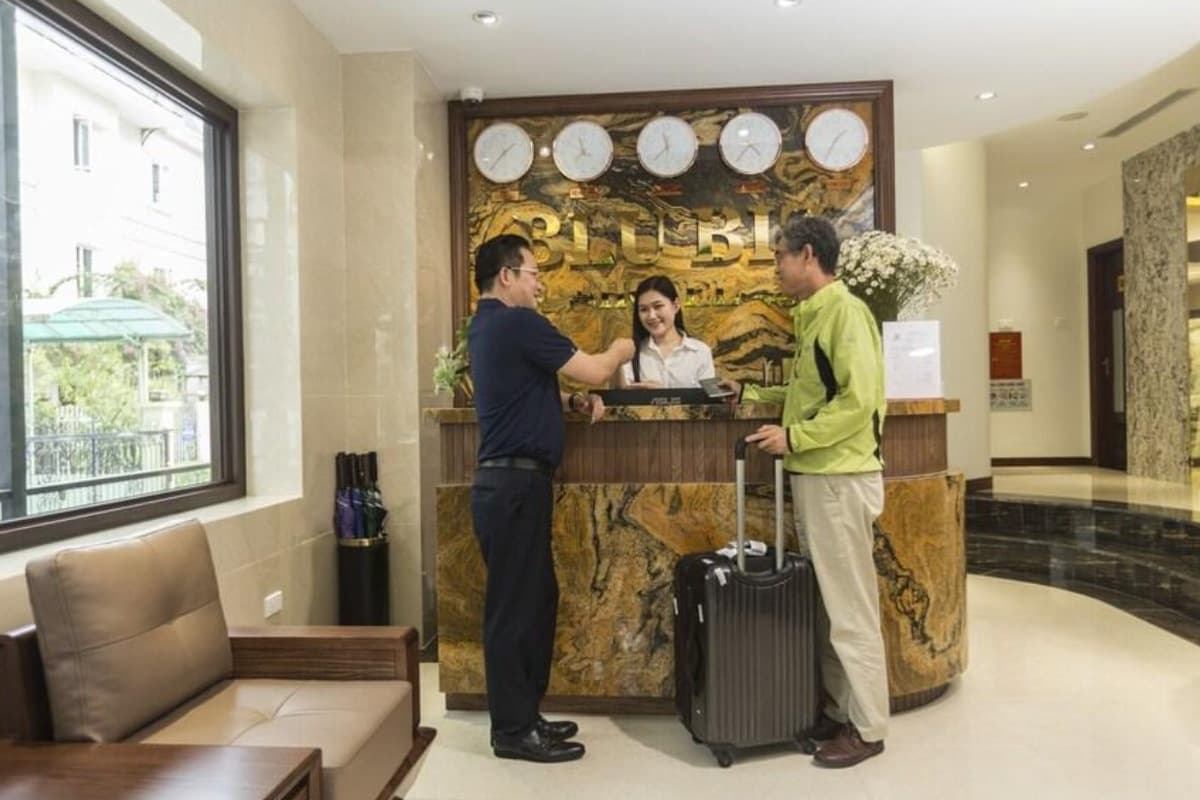
Some hotels offer luggage storage before check-in or after checkout, depending on their policies and available space.
When hotel storage is unavailable or inconvenient, a dedicated luggage storage service may provide an alternative.
Luggage Storage IO helps travelers find luggage storage locations across destinations in Vietnam through online booking.
How to Arrange Luggage Storage for Your Family
Visit Luggage Storage IO.
Search for a suitable location near your hotel or planned activities.
Check the operating hours, accepted bag sizes, pricing, and storage conditions.
Complete your online booking.
Follow the drop-off instructions in your confirmation.
Collect your luggage within the agreed collection period.
Always check the details of your selected storage location before booking. Facilities, operating hours, and applicable protection terms can vary.
With your main bags stored appropriately, your family can explore with just a small daypack containing the essentials.
For more information, read How Luggage Storage Works.
5. Choose Comfortable Transportation for Children
Transportation can be one of the biggest challenges when traveling with children in Vietnam.
Depending on your itinerary, you may use domestic flights, trains, buses, taxis, or private transfers.
For families with young children, convenience and safety should be priorities.
Before booking transportation, consider:
Journey duration
Departure and arrival times
Luggage allowances
Availability of suitable child restraints
Bathroom and meal breaks
Whether the vehicle can accommodate a stroller
How easily children can rest during the journey
If you need a child car seat, confirm its availability in advance. Do not assume taxis or private transfers automatically provide one.
For long-distance journeys, consider whether a flight or train would be more comfortable than spending many hours on the road.
Keep snacks, water, medication, and entertainment accessible during travel.
6. Book Family-Friendly Accommodation
Choosing suitable accommodation can significantly improve your family vacation.
Look for hotels, resorts, or apartments that meet your family's needs.
Useful features may include:
Family rooms or connecting rooms
Elevators
Child-friendly dining options
Convenient access to attractions
Laundry services
Cribs or extra beds, when available
Safe balconies and windows
Swimming pools with appropriate safety measures
Flexible luggage storage arrangements
Read recent reviews from other families and check room configurations carefully.

A room described as suitable for four people may not necessarily have the bed arrangement your family prefers.
Contact the property directly if you need a crib, extra bed, or other special arrangements.
7. Protect Your Family From Heat and Rain
Vietnam's climate varies significantly by region and season.
Some destinations experience hot, humid weather, while northern mountain areas can be much cooler.
Rainy periods also differ across the country.
Before traveling, check the forecast for each destination and pack accordingly.
For warm-weather sightseeing:
Encourage children to drink water regularly.
Use suitable sunscreen and hats.
Take breaks in shaded or air-conditioned places.
Avoid prolonged exposure during the hottest hours.
Choose lightweight, breathable clothing.
During rainy weather, carry compact rain protection and allow extra time for transportation.
If severe weather is forecast, follow local safety advice and consider adjusting outdoor activities.
8. Introduce Children to Vietnamese Food
Food can be one of the most enjoyable parts of a family vacation in Vietnam.
Many Vietnamese dishes can appeal to children, particularly those who enjoy noodles, rice, soups, and grilled foods.
Some options to explore include:
Pho
Vietnamese noodle soup with broth, rice noodles, and meat or other ingredients.
Banh Mi
A Vietnamese baguette sandwich with various fillings.
Com Ga
Chicken rice, prepared in different regional styles.
Bun Thit Nuong
Rice vermicelli served with grilled meat, vegetables, and sauce.
Fresh Fruit
Vietnam offers a wide variety of tropical fruits, including mango, dragon fruit, watermelon, and bananas.
When dining with children, check ingredients carefully, particularly if anyone has allergies or dietary restrictions.
Choose establishments with good hygiene practices and ensure food is properly prepared.
For younger children, consider ordering simple dishes and asking for spicy sauces to be served separately.
9. Keep Children Safe in Busy Tourist Areas
Popular destinations such as Hanoi Old Quarter, Hoi An Ancient Town, and Ho Chi Minh City's central districts can be busy.
Traffic conditions may also be unfamiliar to international visitors.
When walking with children:
Hold younger children's hands near roads.
Use designated pedestrian crossings when available.
Stay alert to motorcycles and other vehicles.
Avoid letting children wander alone in crowded markets.
Agree on a meeting point with older children.
Keep emergency contact information accessible.
For younger children, a contact card with a parent's phone number and accommodation details may be helpful.
Teach children what to do if they become separated from the family, including seeking help from identifiable staff at a hotel, attraction, or other established venue.
10. Plan Activities That Match Your Children's Ages
Not every attraction is suitable for every age group.
A long walking tour may be enjoyable for teenagers but exhausting for toddlers.
Similarly, some outdoor adventures may involve physical demands or safety considerations that make them unsuitable for younger children.
Before booking activities, check:
Minimum age requirements
Walking distances
Accessibility
Weather exposure
Safety equipment
Availability of restrooms
Tour duration
Cancellation conditions
For young children, consider shorter activities with opportunities to rest.
Older children may enjoy museums, cultural workshops, nature excursions, and guided adventures.
Involving children in choosing activities can also make the trip more exciting for them.
11. Bring a Stroller or Baby Carrier When Appropriate
If you are traveling with a baby or toddler, decide whether a stroller, baby carrier, or both will be useful.
Strollers can be convenient in airports, shopping centers, and areas with smooth walking surfaces.
However, some historic neighborhoods and busy streets may have uneven pavements, steps, or limited space.
A comfortable baby carrier may be more practical for certain walking routes.
Consider your child's age, comfort, and the expected terrain.
If you bring a stroller, choose one that is easy to fold and transport.
12. Keep Important Documents Organized
Traveling internationally with children requires careful document preparation.
Before departure, check the passport, visa, and entry requirements applicable to every family member.
Children may need their own passports and other documentation depending on nationality and travel circumstances.
If a child is traveling with only one parent or another guardian, check whether any additional consent or supporting documents are required.
Keep important information organized, including:
Passports
Visa documents, where required
Travel insurance details
Flight confirmations
Accommodation bookings
Emergency contact information
Relevant medical information
Store secure digital copies separately from your original documents.
Requirements can change, so consult official government and airline sources before departure.
13. Schedule Rest Time Between Activities
Traveling with children can be tiring, particularly when you are changing destinations frequently.
A busy day of sightseeing may leave everyone exhausted.
Build rest periods into your itinerary, especially after long flights or overnight journeys.
You might spend the morning exploring and return to your accommodation for a break in the afternoon.
For families with toddlers, consider maintaining familiar nap and meal routines where practical.
Allowing time to rest can improve everyone's mood and make the next activity more enjoyable.
14. Make Hotel Check-out Days Easier
Hotel checkout days can be particularly challenging for families.
You may need to leave your room at noon while your flight or train departs several hours later.
Managing suitcases, children's bags, and a stroller while trying to enjoy your final day can be difficult.
Consider planning your departure day in advance.
Ask your accommodation whether luggage storage is available after checkout. If it is not, look for a suitable alternative near your planned activities.
For example, you might store your suitcases, enjoy lunch, visit a nearby attraction, and then collect your bags before traveling to the airport.
Keep essential items such as medication, snacks, diapers, valuables, and travel documents with you.
Always allow enough time to collect luggage and reach your departure point.
For additional ideas, read What to Do After Hotel Check-out.
15. Create Memories Without Overplanning
Family travel is about spending time together and experiencing new places.
Some of the most memorable moments may be simple ones: sharing a meal, enjoying a sunset, watching lanterns illuminate Hoi An, or exploring a peaceful park.
You do not need to fill every day with expensive attractions.
Allow children time to explore, ask questions, and enjoy unfamiliar experiences.
Take photographs, try local foods, and stay flexible when plans change.
A relaxed approach can help your family enjoy Vietnam without unnecessary pressure.
Is Vietnam a Good Destination for Families With Children?
Vietnam can be a rewarding destination for families because it offers a variety of cultural, natural, and recreational experiences.
Popular tourist areas provide a range of accommodation and transportation choices, although facilities and accessibility vary by location.
Families with young children may prefer destinations with convenient transportation, shorter travel distances, and accommodation close to major attractions.
Before traveling, review current official travel and health advice, discuss any relevant vaccinations or health precautions with a qualified healthcare professional, and arrange appropriate travel insurance.
With sensible preparation, families can enjoy many of Vietnam's attractions at a comfortable pace.
How Can Luggage Storage Help Families Traveling in Vietnam?
Families often travel with more luggage than solo travelers.
In addition to suitcases, they may carry backpacks, children's clothing, toys, and other travel essentials.
When luggage is not needed for sightseeing, arranging storage can make it easier to move around.
Potential benefits include:
Less luggage to manage during walking tours
Easier sightseeing before hotel check-in
More flexibility after hotel checkout
Less inconvenience during long waits between transport connections
More comfortable visits to attractions and restaurants
However, luggage storage should always be planned carefully.
Keep valuables and essential children's supplies with you. Check accepted item types and sizes, especially for strollers or bulky equipment.
Luggage Storage IO advertises protection of up to US$1,500, subject to applicable terms, conditions, and exclusions. Review the details for your booking before leaving belongings at a storage point.
You can also read Is Luggage Storage Safe?.
Frequently Asked Questions
Is Vietnam suitable for a family vacation?
Yes. Vietnam offers cultural attractions, beaches, natural scenery, and activities that can appeal to families. The best destinations and itinerary depend on your children's ages, interests, and travel needs.
What are the best places to visit in Vietnam with kids?
Hanoi, Da Nang, Hoi An, Ninh Binh, and Phu Quoc are popular choices. Each destination offers different experiences, from city sightseeing and cultural activities to beaches and nature.
Is Vietnam safe for traveling with children?
Many families visit Vietnam, but safety depends on the activities, location, transportation, and individual circumstances. Follow official travel advice, supervise children near traffic and water, and choose reputable providers.
What should I pack for a family trip to Vietnam?
Bring lightweight clothing, comfortable shoes, sun protection, essential medication, personal hygiene products, travel documents, and age-appropriate supplies for children. Adjust your packing list for the weather and planned activities.
Can I bring a stroller to Vietnam?
Yes, but its usefulness depends on the destination. Some areas have uneven sidewalks or crowded streets, so a compact stroller or baby carrier may be more practical.
Where can families store luggage in Vietnam?
Some hotels offer luggage storage before check-in or after checkout. Dedicated luggage storage services may also be available, depending on the destination.
Visit Luggage Storage IO to check available locations and booking details.
Can I store luggage before hotel check-in with children?
Some hotels allow guests to leave luggage before check-in, subject to their policies. If your accommodation cannot provide storage, check for a suitable alternative nearby.
How can families travel light in Vietnam?
Pack versatile clothing, organize bags by family member, use laundry services, and avoid carrying unnecessary items during sightseeing. When appropriate, arrange luggage storage for bags you do not need during the day.
For more ideas, see Travel Light in Vietnam.
Is luggage storage useful for families with toddlers?
It can be helpful when you need to manage suitcases while sightseeing. However, keep essential childcare supplies, medication, valuables, and frequently used items with you. Check the storage provider's item restrictions before booking.
Final Thoughts: Enjoy a Comfortable Family Vacation in Vietnam
Vietnam offers countless opportunities for families to explore, learn, relax, and create lasting memories.
By choosing suitable destinations, planning a flexible itinerary, packing efficiently, and arranging convenient transportation, you can reduce many common travel challenges.
Remember to prioritize your children's comfort, schedule regular breaks, and avoid carrying unnecessary luggage while sightseeing.
If you arrive before hotel check-in, have several hours after checkout, or want to explore without heavy bags, luggage storage may be a useful option.
Planning a family trip to Vietnam? Visit Luggage Storage IO to check available luggage storage locations and book online before your next adventure.
Need luggage storage near you?
50+ verified spots from $1.95/day · 24/7 CCTV & $1,500 insurance